Previous Fellows
Throughout our history, the Institute for the Study of Diplomacy (ISD) has hosted fellows from the diplomatic and military domains to generously lend their expertise to Georgetown students and to ISD’s academic community.
Our fellows include ambassadors, generals and cabinet secretaries. Their contributions are the core of ISD’s bridge between the academic and practitioner worlds.
Past fellows
2024-2025
-
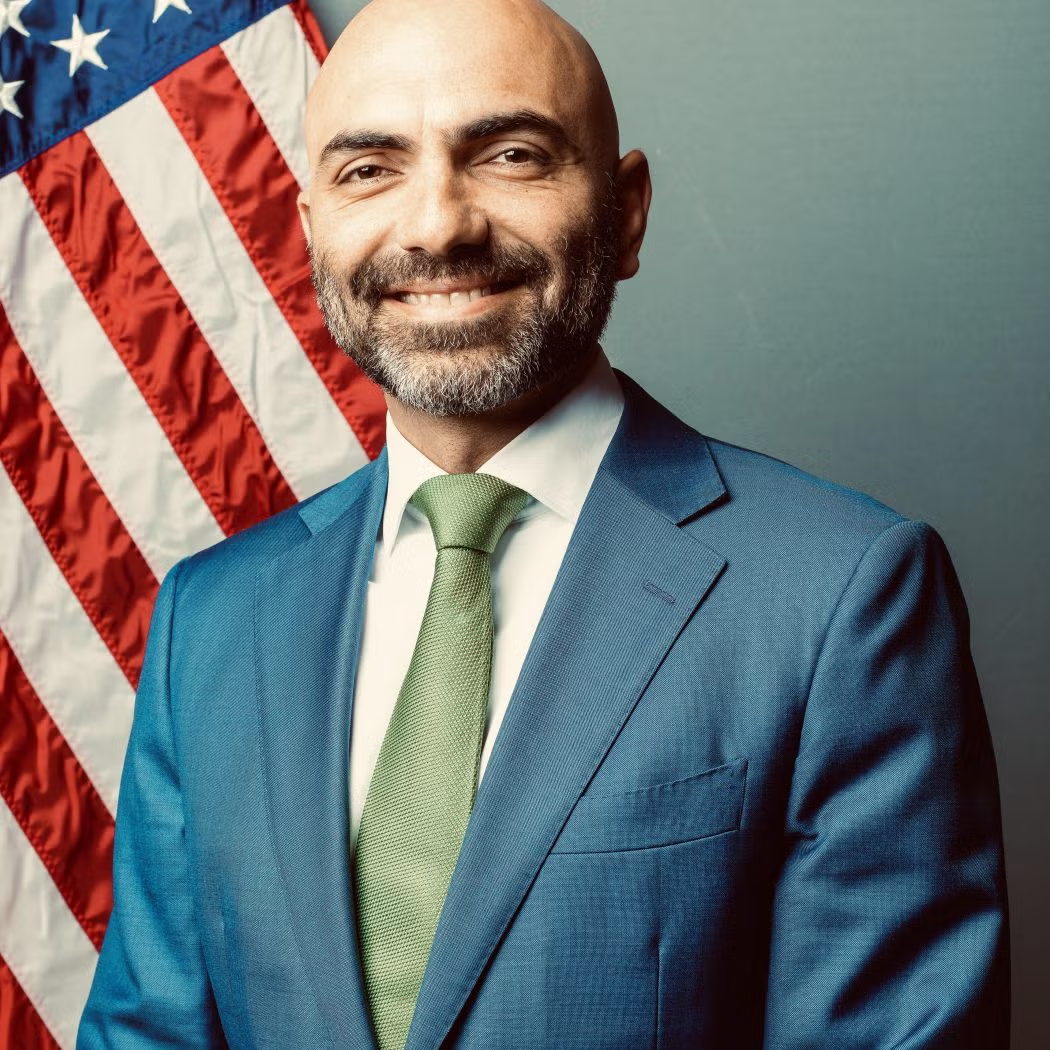 Mustafa M. PopalPrevious Teaching Fellow, 2025
 -
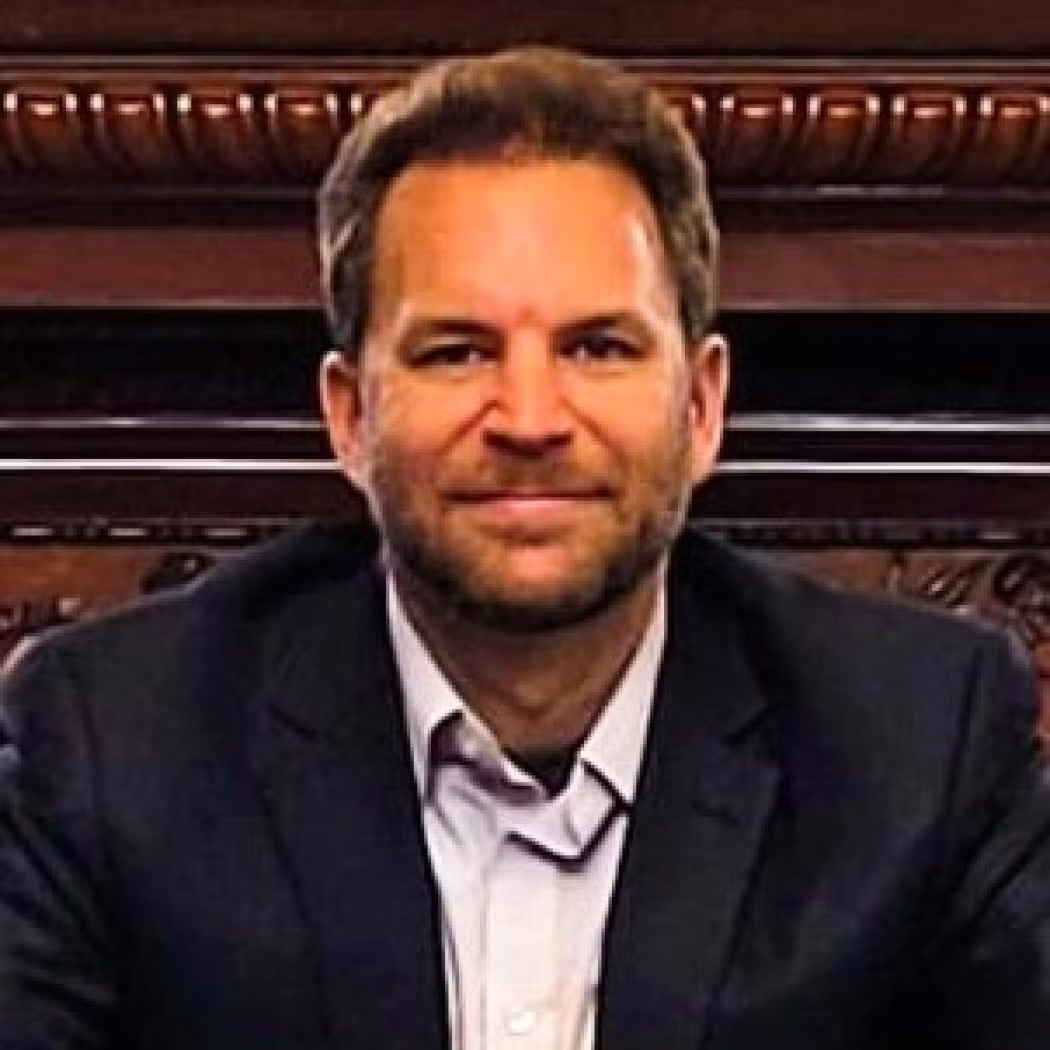 Dr. Joseph YackleyDiplomatic Fellow
 -
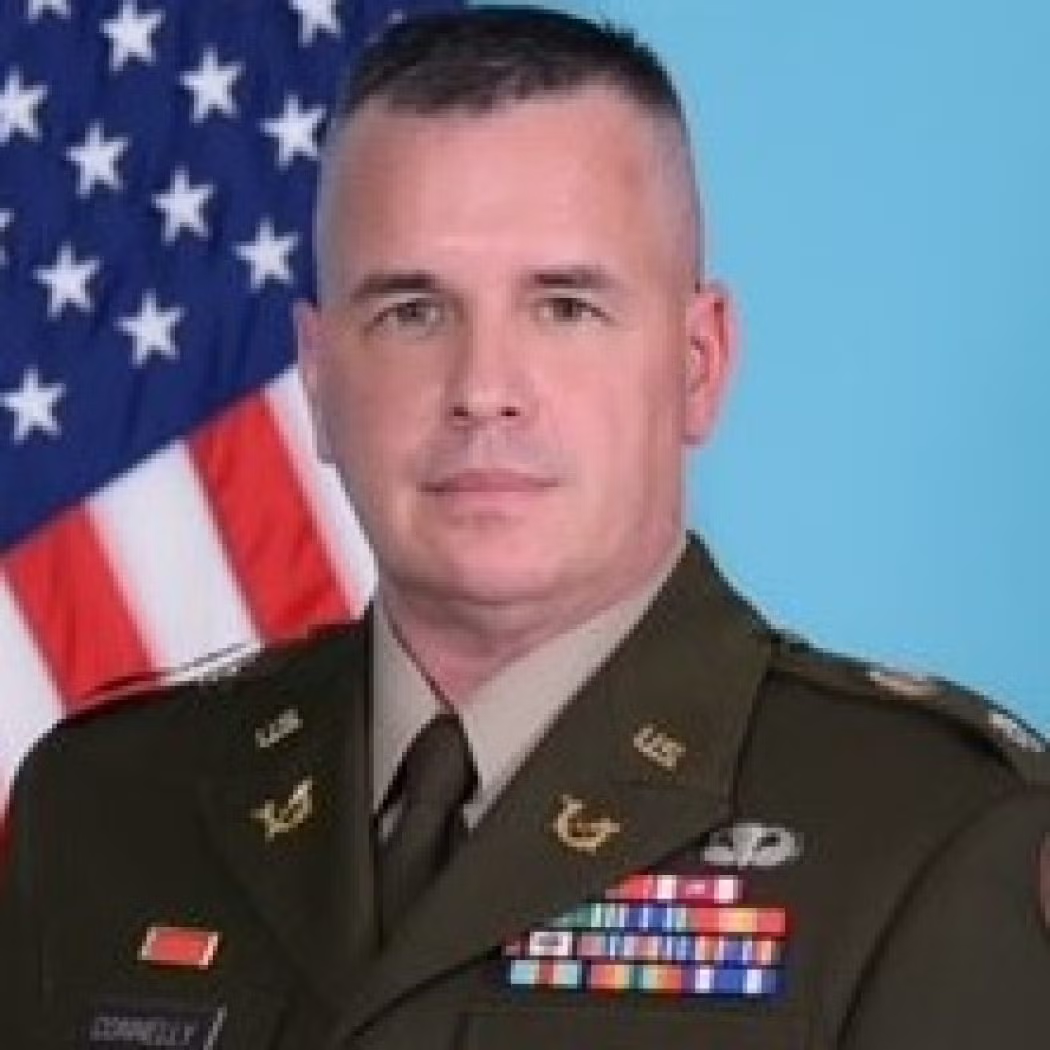 Brent Alexander ConnellyPrevious Teaching Fellow, 2025
 -
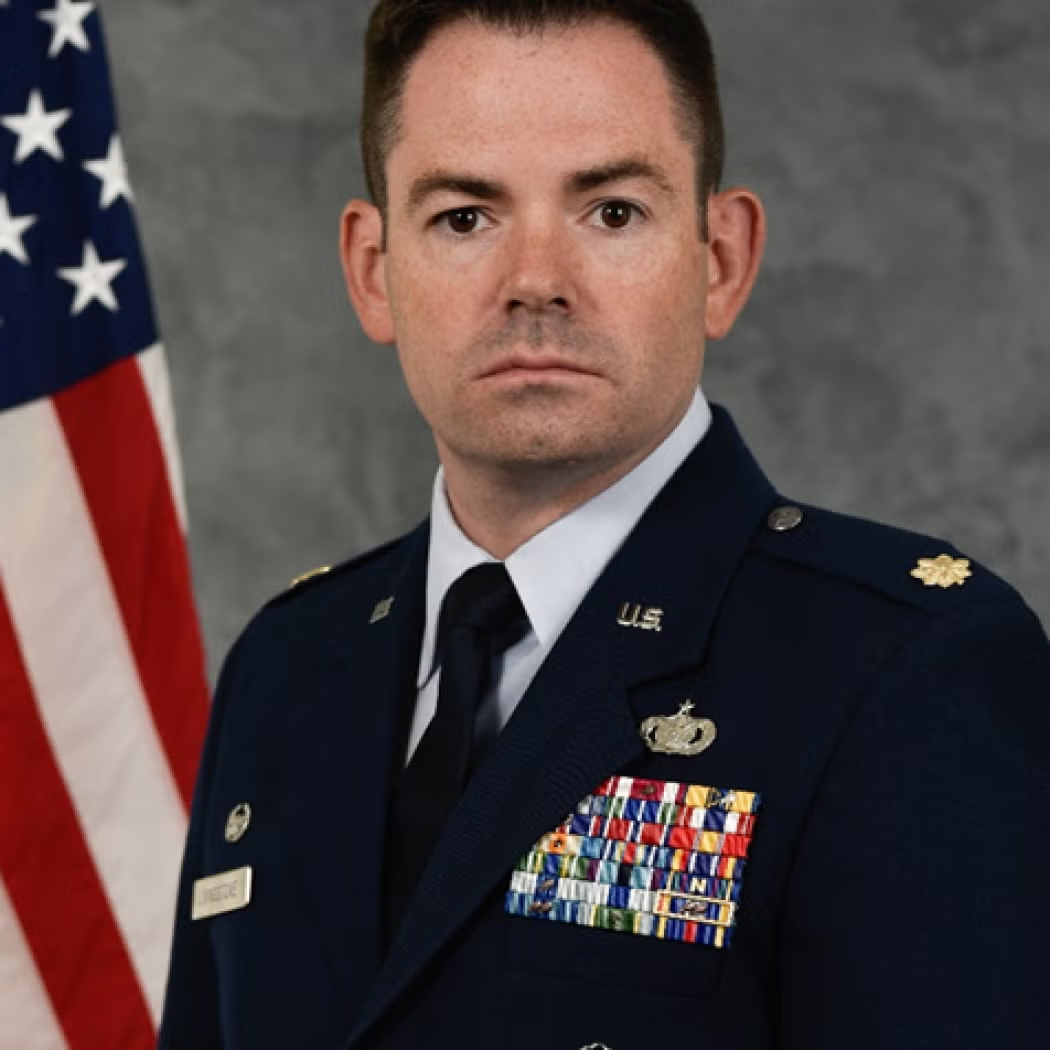 Patrick LivingstonePrevious Teaching Fellow, 2025
 -
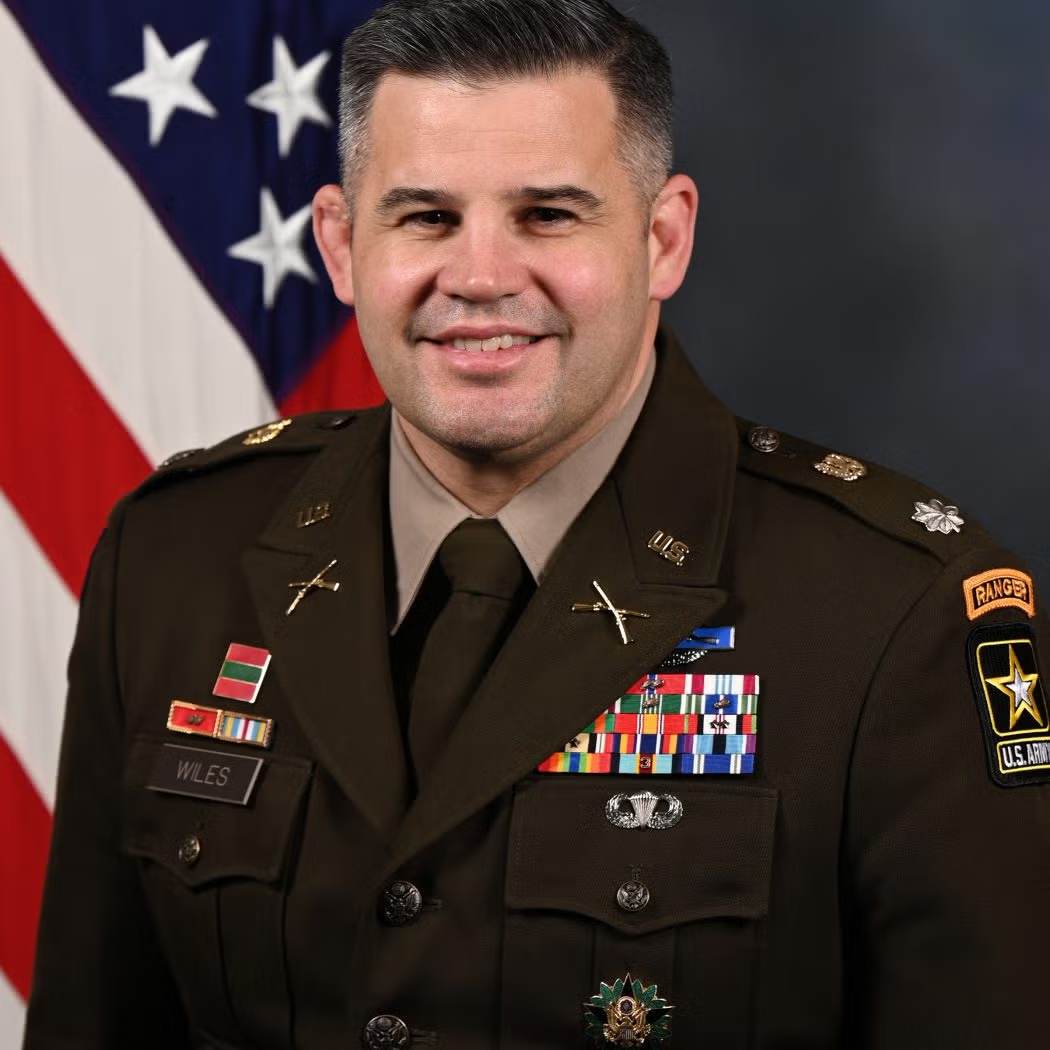 Joshua I. WilesPrevious Teaching Fellow, 2025
 -
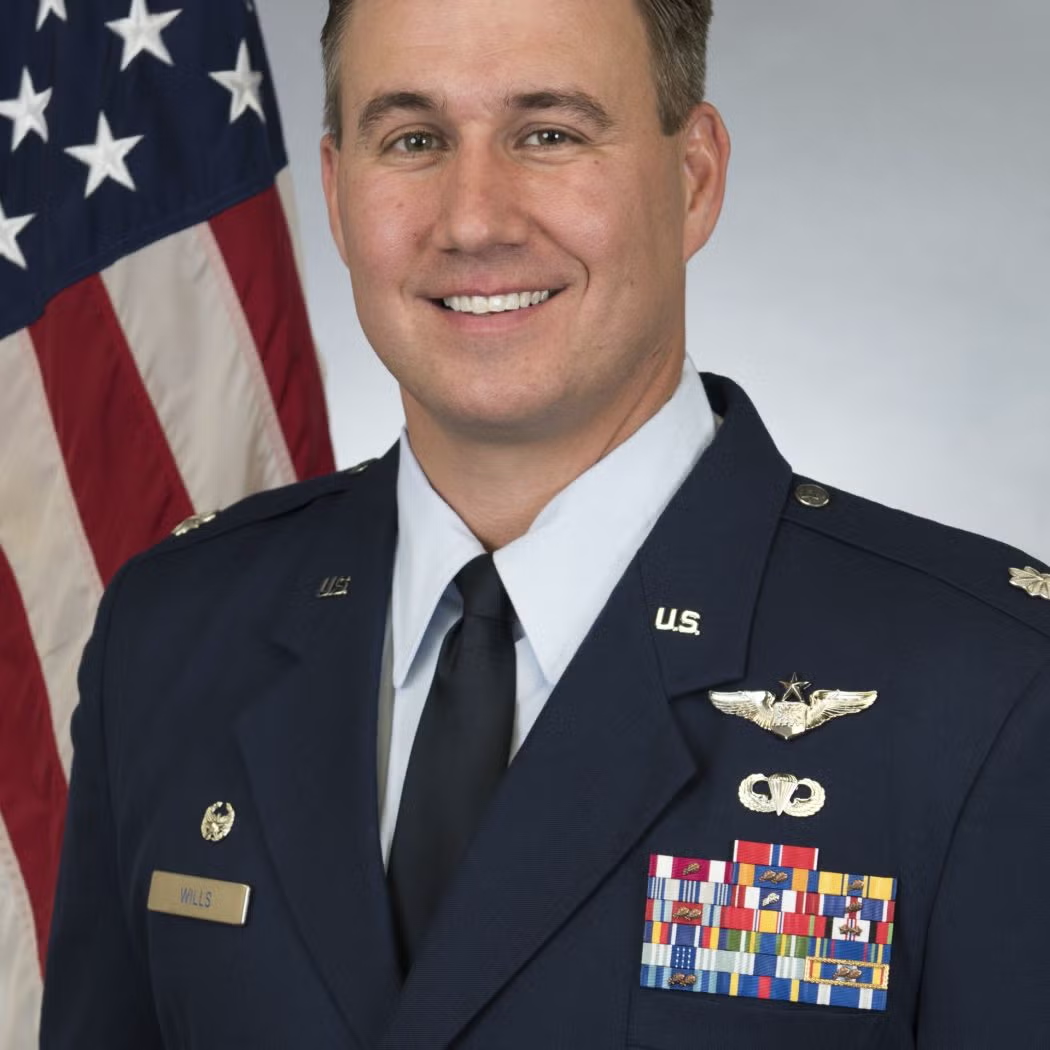 Jeffrey D. WillsPrevious Teaching Fellow, 2025
 -
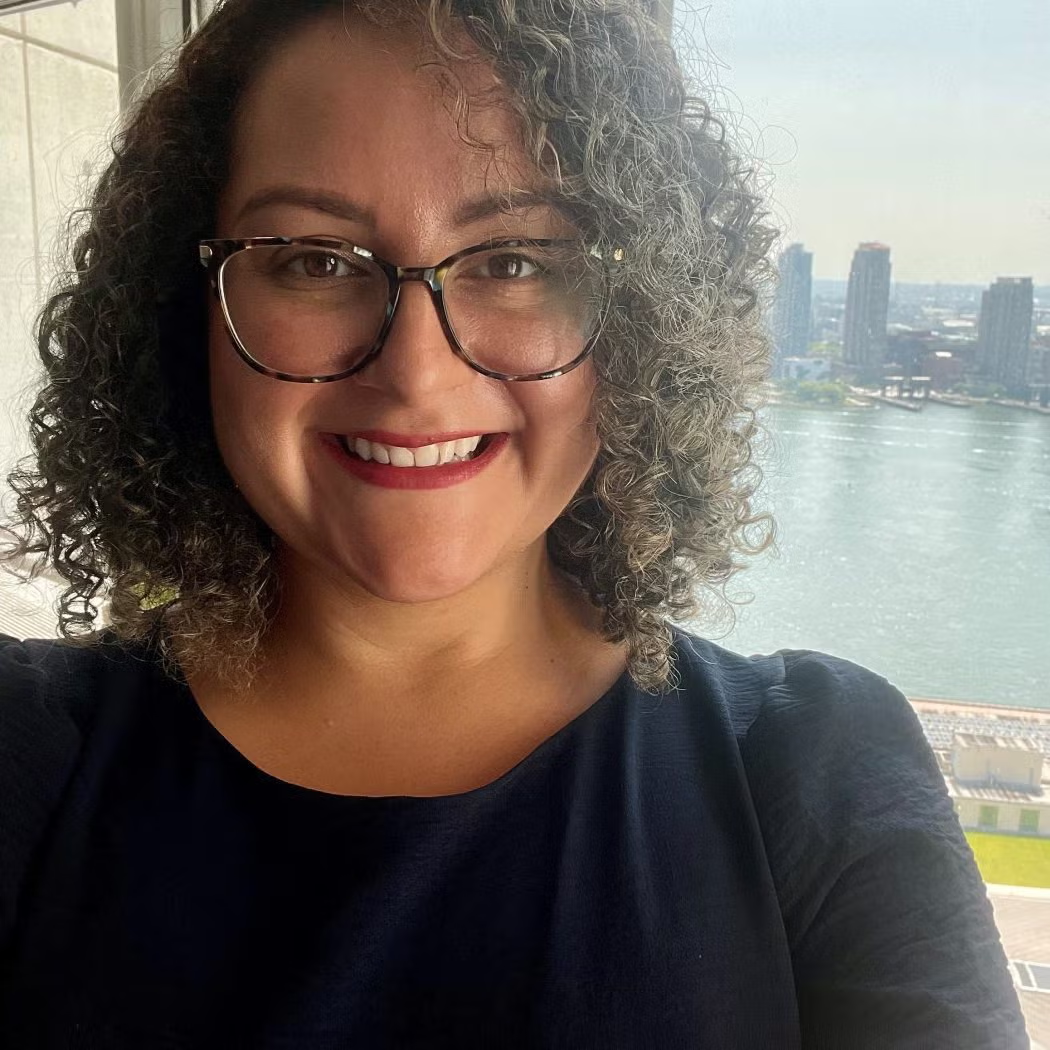 Oriana LuquettaPrevious Teaching Fellow, 2025
 -
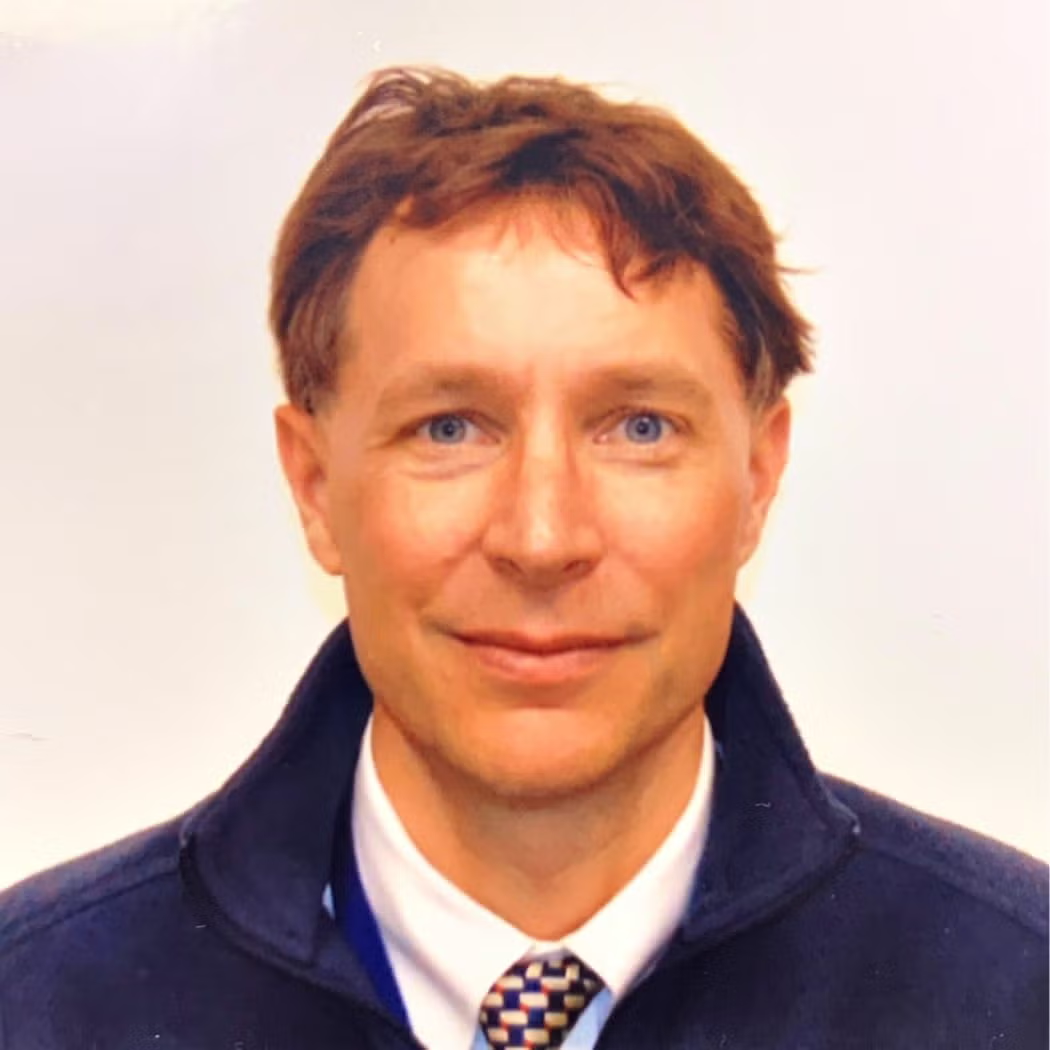 Craig SimonsPrevious Teaching Fellow, 2025
- James B. Story
- Christopher Klein
- Mustafa M. Popal
- Tressa Rae Finerty
- Dr. Dafna H. Rand
- Dr. Joseph Yackley
- Rebecca E. Farmer
- Daniel J. Oh
- Mckinley Wood
- Rob Beckenhauer
- Ashley-Ann M. Hajovsky
- Jeffrey DeLaurentis
- John A. Heffern
- Elizabeth Richard
- David Holmes
- Kahina Robinson
- Nathaniel Haft
- Philip Boldt
- William Harris
- Jennifer Mapp
- Kira Carpenter
- Ajay Dua
- Jeffrey DeLaurentis
- John A. Heffern
- Elizabeth Richard
- Jennifer Davis
- Aaron Garfield
- Oliver Mains
- Martin “Jeremy” J. Bowling
- David Kogon
- Carl Miller
- Rodney Fangmann
- Joan Polaschik
- Marie L. Yovanovitch
- Jeffrey DeLaurentis
- John A. Heffern
- Linda Thomas-Greenfield
- Caroline Savage
- Arsalan Suleman
- Angela Girard
- Sharlina Hussain-Morgan
- Adam Sanderson
- Chris Auger
- Carolyn Erickson
- John-Paul Adrian
- Jordan Matthews
- Stephen Struber
- Jeffrey DeLaurentis
- John A. Heffern
- Linda Thomas-Greenfield
- Philip S. Goldberg
- Mark C. Storella
- Uzra Zeya
- Arsalan Suleman
- Roland McKay
- Caroline Savage
- Steven T. Barry
- Conrad Jakubow
- Grant Mizell
- Nicholas P. Cowan
- Christopher J. Leonhardt
- Michael C. Sadler
- Linda Thomas-Greenfield
- Stephen D. Mull
- John A. Heffern
- Dana Shell Smith
- Sungsoo Choi
- Arsalan Suleman
- Amy Lillis
- Megan Selmon Kelly
- Sergio E. Anaya
- Dan Bishop
- Markus Lewis
- Peter J. Amaral III
- Devin Long
- William R. McCormick
- Christine M. McVann
- Linda Thomas-Greenfield
- Steven G. Keating
- Katharine Nanavatty
- Raj Wadhwani
- Shon McCormick
- Matthew Metzel
- Andrew J. Steffen
- Sungsoo Choi
- Alfredo Balderas
- Adam G. Chitwood
- Jason Curtis
- Norland Headshot
- Richard B. Norland
- Ramon Escobar
- Bernadette Meehan
- Michael G. Pratt
- Scott Rowe
- Victor H. Sundquist
- Patrick Kim
- Byung Hwa Chung
- Lu Zhang
- Ho Park
- Stephanie Myers
- Jarred Prier
- Christina Sheets
- Miriam L. Awad
- DeDe S. Halfhill
- Ho Park
- Mordica M. Simpson
- Rich L. Stitzer
- Brian Sullivan
- Robert C. Arnett
- Kimberly A. Jennings
- Lance J. Ratterman
- Maura Connelly
- J. Andrew Abell
- Oni K. Blair
- Richard Drew
- William B. Johnson
- Liu Jun
- Jay Sabia