Category: Case Studies
-
Case Studies
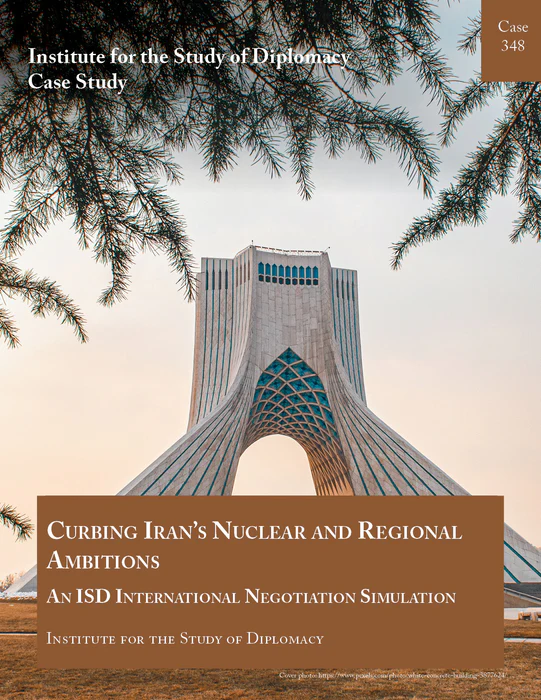
Case 348. Simulation: Curbing Iran’s Nuclear Ambitions
This negotiation simulation is designed to help students understand the dynamics of international nuclear negotiations. Student copies provide background details on Iran’s nuclear program and the Joint Comprehensive Plan of Action (JCPOA) — the 2015 Iran nuclear deal, which students will use to negotiate at a hypothetical arms control conference. In this scenario, Iran has threatened to withdraw from the Non-proliferation Treaty. Student teams will represent the major players involved in the JCPOA, negotiating the possible avenues to curb Iran’s nuclear ambitions, as well as its ballistic missile program and support for proxy groups across the Middle East. ISBN: 978-1-56927-050-9…
-
Case Studies
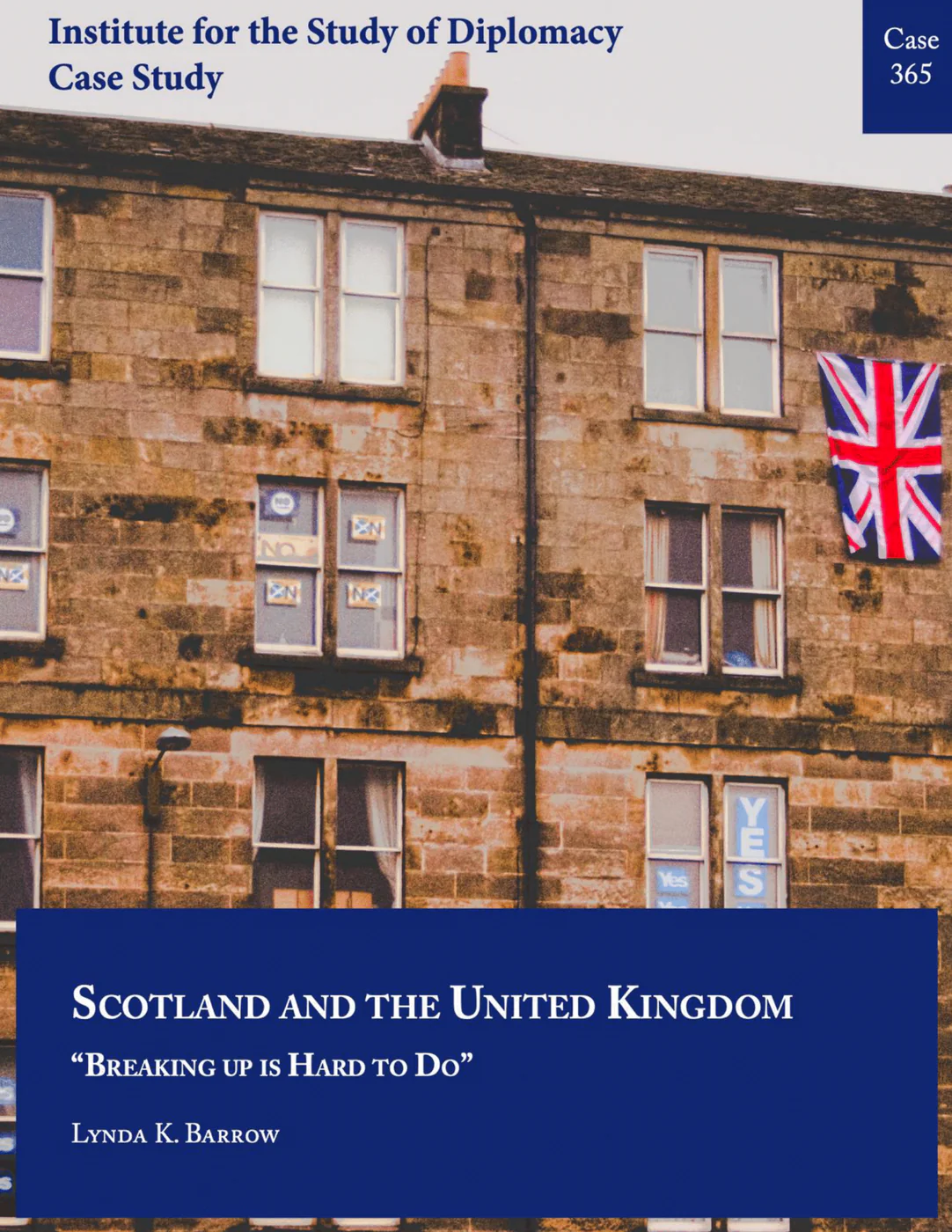
Case 365. Scotland and the United Kingdom: “Breaking up is Hard to Do”
This case examines the historical and present-day political debate around Scottish independence. Against the backdrop of Brexit, a volatile global economic and security climate, and 300 years of intimately shared history, Scotland’s independence movement had special salience in 2014 and again a decade later. The issue is whether the UK can survive as a geopolitical entity and whether Scotland can thrive as a sovereign state (or as part of the EU). How these questions are resolved could have implications for separatist drives everywhere. This case is well-suited to classes on democracy, constitutions (and concomitant distributions of power within nation-states), sovereignty,…
-
Case Studies
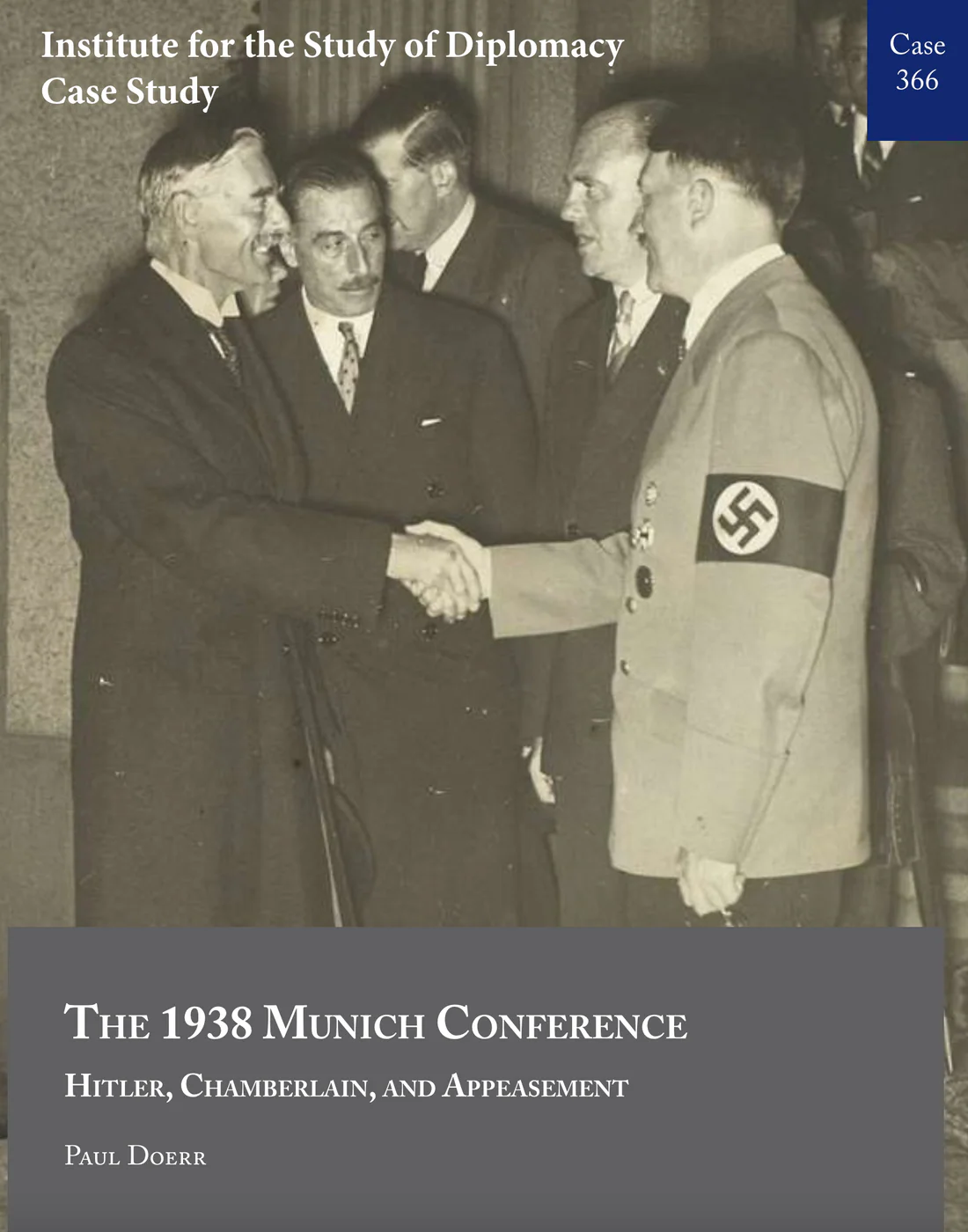
Case 366. The 1938 Munich Conference: Hitler, Chamberlain, and Appeasement
This case explores contentious debates surrounding the years preceding the outbreak of World War II in Europe. It closely tracks diplomatic machinations between allied powers and Hitler’s Germany as well as domestic political forces that shaped the most controversial 20th-century foreign policy: Appeasement. The Munich conference allows students to explore counterfactual history along a number of lines. Should Britain have “stood up” to Hitler before 1939? If so, how? What alternatives were open to the British prior to Munich? In this case, students also explore the constraints under which diplomats and politicians act. Given the economic, strategic and military conditions…
-
Case Studies
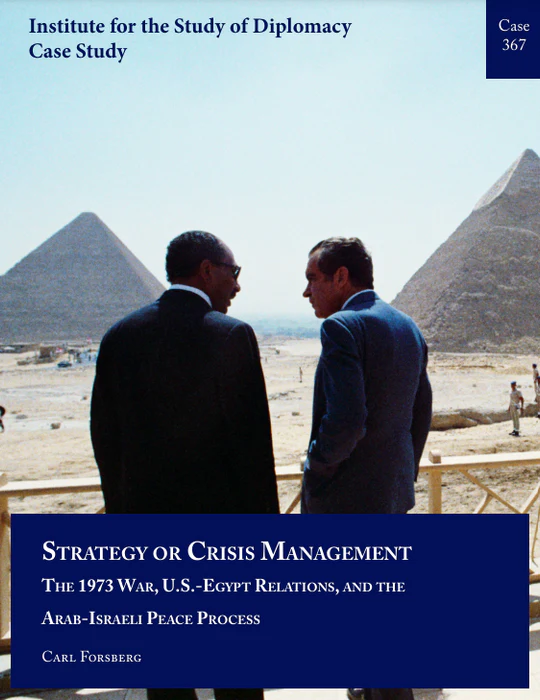
Case 367. Strategy or Crisis Management: The 1973 War, U.S.-Egypt Relations, and the Arab-Israeli Peace Process
This case explores the minutiae of shuttle diplomacy conducted between the United States, Israel, and Egypt as a result of the 1973 Arab-Israeli war, exploring the transformation of U.S.-Egypt relations after 1973. It dissects the impacts of Nixon, Kissinger, and Sadat’s personalities in their navigation of Cold War politics and holds important lessons for the past and present of the Arab-Israeli situation. This case study will enhance a range of political science and history courses. For international relations courses or political science and history courses on US foreign policy, the case study raises questions about the relative roles of domestic…
-
Case Studies
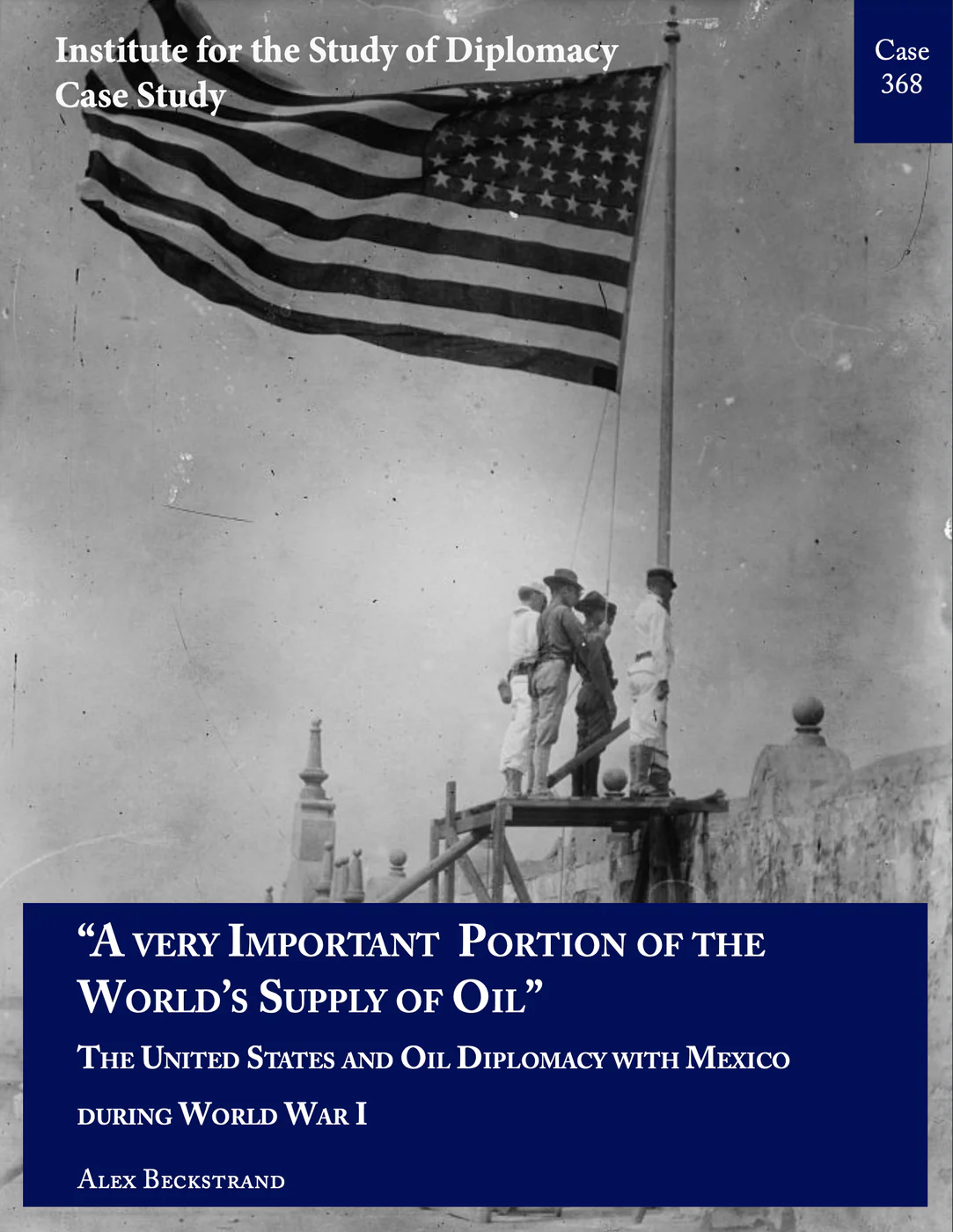
Case 368. “A Very Important Portion of the World’s Supply of Oil:” The United States and Oil Diplomacy with Mexico during World War I
This case study examines U.S. oil diplomacy with Mexico between 1917-1918. This period immediately followed an American invasion of northern Mexico in 1916 in pursuit of bandits led by Francisco “Pancho” Villa. Over ten thousand U.S. troops were in Mexico, resulting in multiple clashes with the Mexican government and dozens killed on each side. The United States withdrew forces in early 1917 following a major war scare that saw the U.S. mobilize over 100,000 troops along its southern border, including the entire National Guard. Tensions remained high even following the withdrawal of forces. The case study also examines American threats…
-
Case Studies
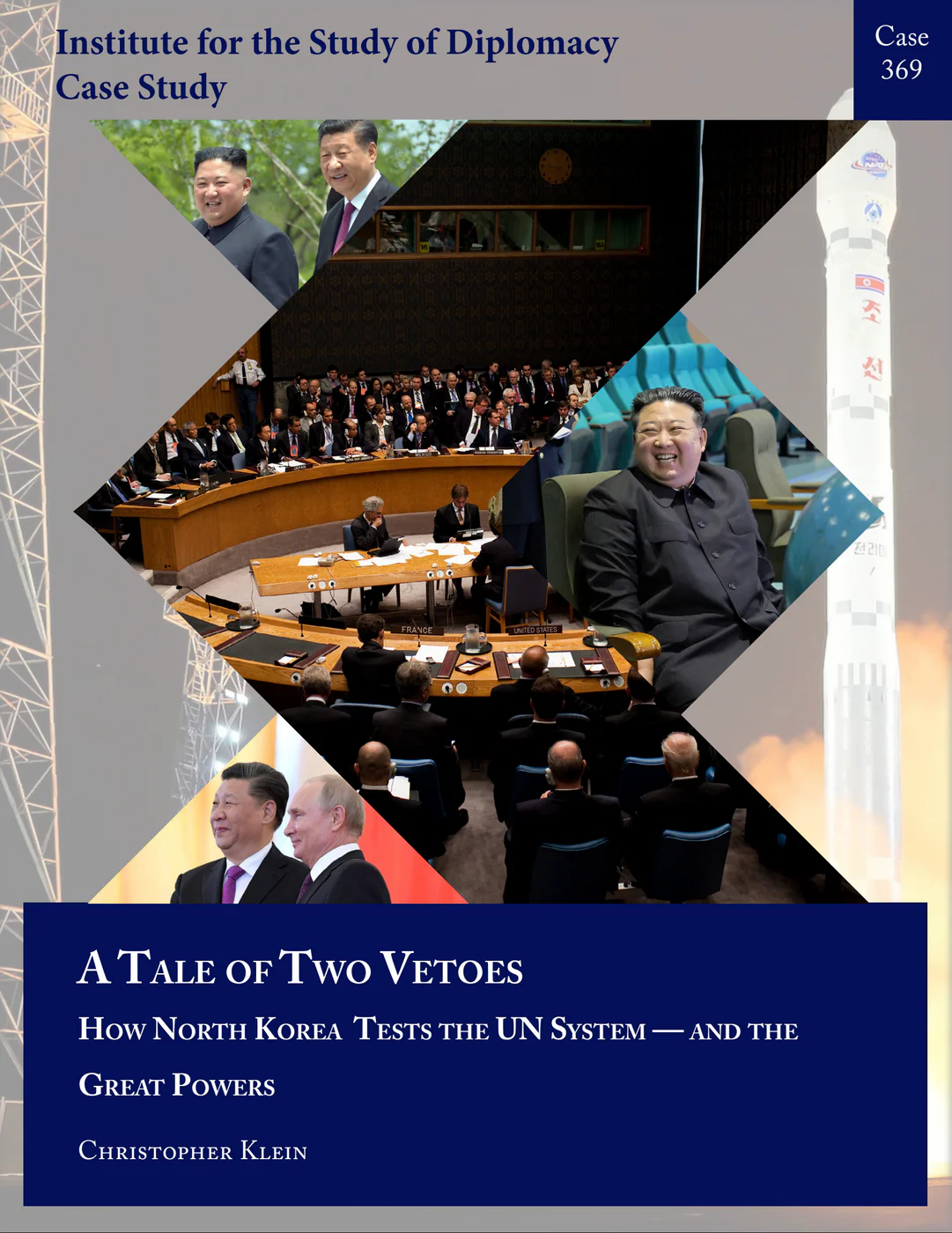
Case 369. A Tale of Two Vetoes: How North Korea Tests the UN System—and the Great Powers
This case study examines the implications of China and Russia’s decision in May 2022 to veto a draft UN Security Council resolution strengthening sanctions against North Korea in the wake of the DPRK’s intercontinental ballistic missile launches, which violated UNSC resolutions. It was the first time a draft resolution on North Korea had been vetoed in 64 years. The no votes marked a jarring end to almost two decades of P5 cooperation in trying to stem North Korea’s nuclear and missile activities. Two years later, in March 2024, Russia vetoed a Security Council text that would have extended the mission…
-
Case Studies
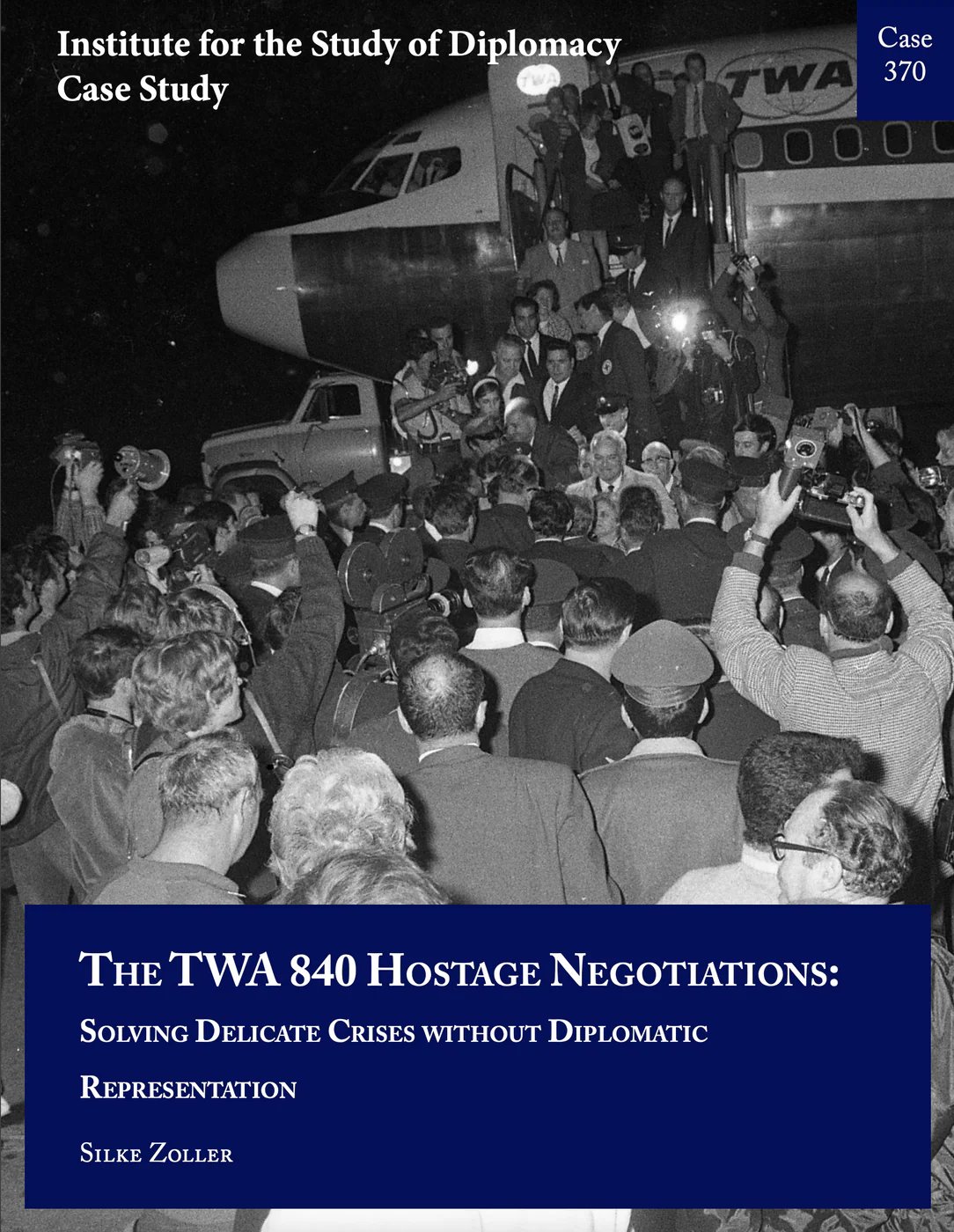
Case 370. The TWA Hostage Negotiations: Solving Delicate Crises Without Diplomatic Representation
This case study examines the international negotiations to release two Israeli passengers after the Palestinian hijacking of TWA flight 840 to Damascus, Syria. The hijacking placed the Nixon administration in a complex situation. Though the United States was responsible for the safety of the passengers according to international law and custom, State Department officials had neither the access nor the leverage to compel Syrian authorities to release the Israeli passengers. The case study analyzes the options available to U.S. diplomats in crises where agency is not straightforward or clear-cut. The case study begins with a short context section about the…
-
Case Studies
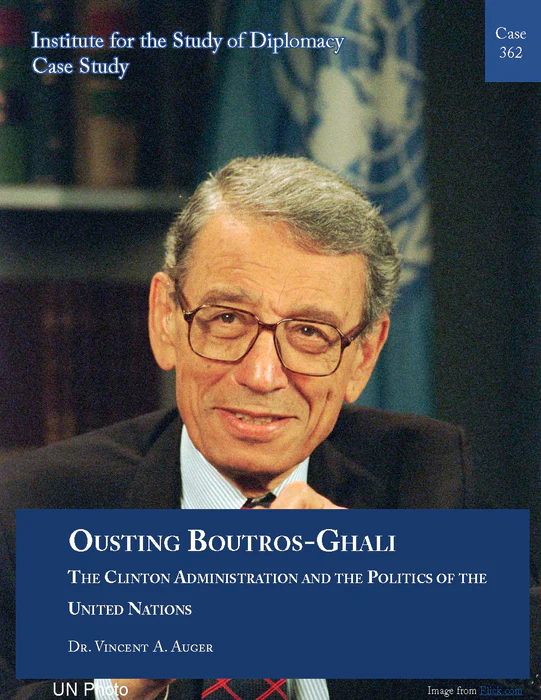
Case 362. Ousting Boutros-Ghali: The Clinton Administration and the Politics of the United nations
This case examines the Clinton Administration’s decision to deny Boutros Boutros-Ghali a second term as Secretary-General of the United Nations. Vincent A. Auger, an international relations scholar of U.S. foreign policy, international organizations, and counterterrorism, presents the important players involved, the competing interests of the administration domestically and internationally, as well as the inner workings of the United Nations and the Security Council. He also explains how the United States government used its position in the United Nations to eventually get its way. This case study exposes the complexities of the U.S. policy process during a decade of post-Cold War global dominance…
-
Case Studies
Case 364. Les Bleus’ Basketball in China: The Power of Sports Diplomacy
This case study documents and analyzes the utility of basketball as a tool of soft power diplomacy, focusing on interactions between France and China since The Cold War and beginning with the Sino-French rapprochement in 1964 and the French basketball team’s trip to China in 1966. The case offers students an alternative look at methods of soft power, interspersing players’ personal accounts with broader geopolitical machinations. This case is ideal for any class in which diplomatic soft power is featured as one aspect of interstate relations. Students will gain an appreciation of the powerful symbolism within culture and sport, and…
-
Case Studies
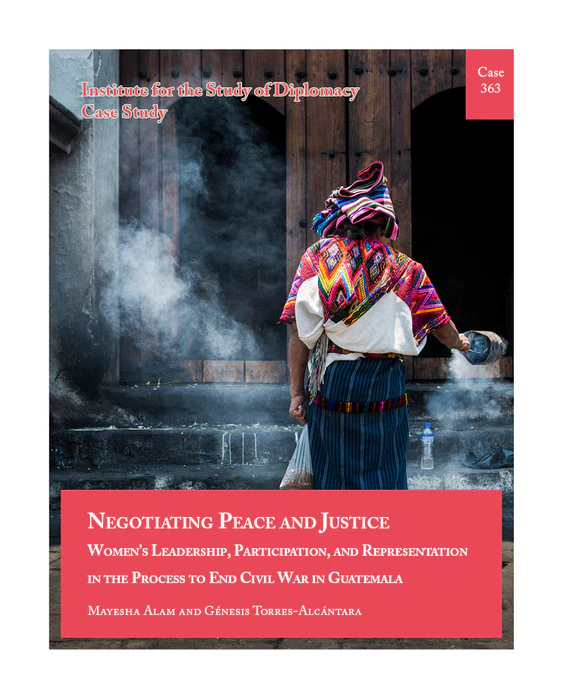
Case 363. Negotiating Peace and Justice: Women’s Leadership, Participation, and Representation in the Process to End Civil War in Guatemala
This case examines women’s involvement in the peace process to end the Civil War in Guatemala. Mayesha Alam and Génesis Torres-Alcántara provide background on the civil war and how it specifically impacted women, and analyze how women’s groups organized to achieve their goals in the peace process. This case study is meant to be instructive and informative but it does not capture every detail about women’s participation in peacemaking in Guatemala. Rather, the case study serves as a comprehensive introduction that can and should be paired with additional resources about Guatemala in particular, and literature, more generally, on relevant topics.…